




Market report
DIY vs. DIFM
Discover the essence of European homeownership, where Saturday mornings are filled with sawdust, DIY challenges, and the satisfaction of handcrafted projects.
Blogs I published 10 March 2026 I Dirk Hoogenboom
DIY vs. DIFM in Europe’s Renovation Market
DIY vs. DIFM in Europe’s Renovation Market
Blogs · 10 March 2026 · Dirk Hoogenboom
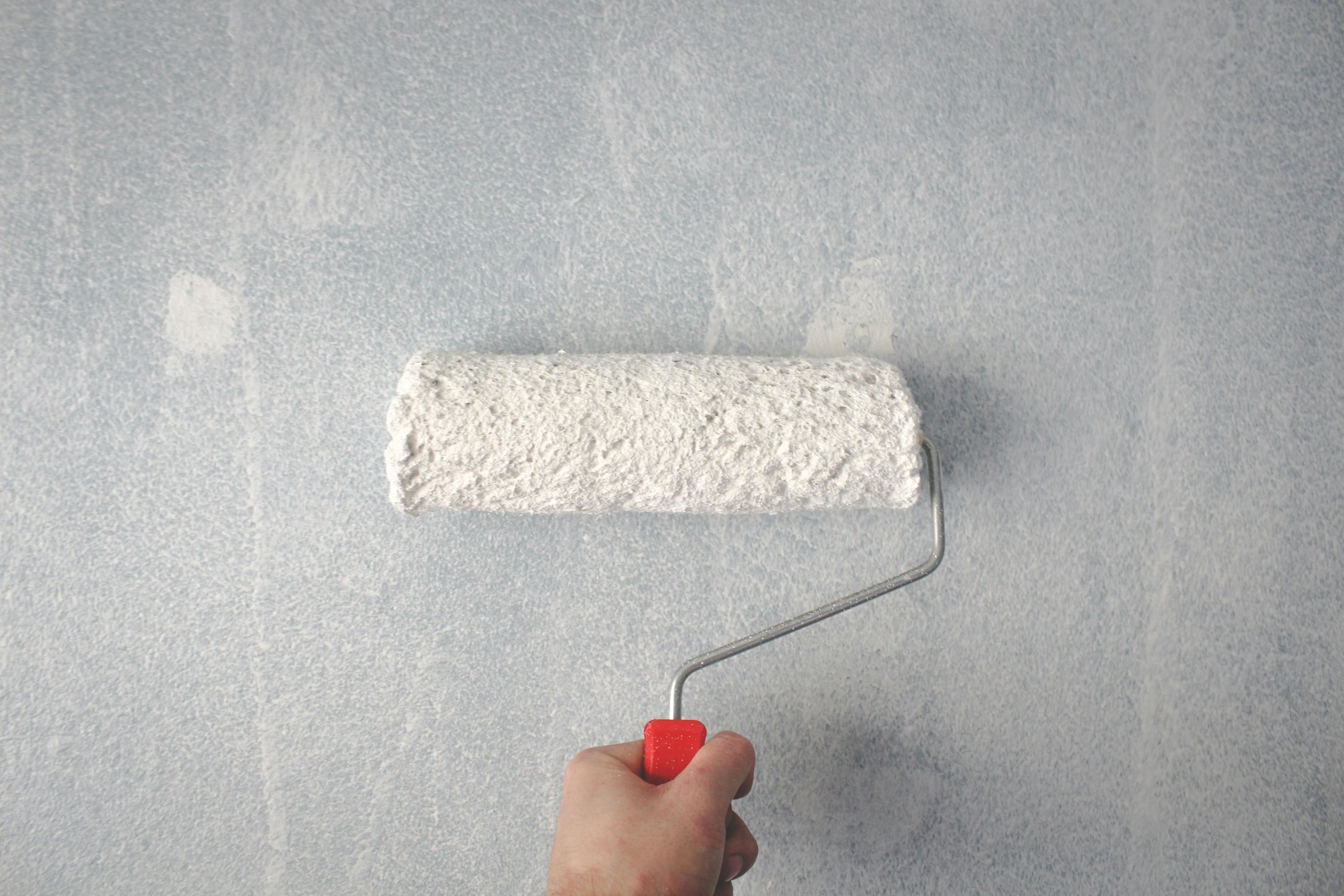
The image of the European homeowner has long been defined by a specific kind of Saturday morning – the smell of sawdust, the frustration of a stripped screw and the quiet pride of a job done by hand. But if you look closer at the driveways, the slice of life is changing. The dusty van of a local contractor is becoming just as common a fixture as the family hatchback loaded with timber.
There’s a quiet, structural shift underway in how the European home evolves. We are seeing the renovation gap close, the space between what a homeowner can do and what they could do. It’s about who has the time, the technical certs and the patience for increasingly complex home systems.
DIY isn’t dying, but it is sharing the field with pros that are more in demand than ever. Let’s look at things from the ground up.
DIY Still Leads at 58%, But Professional Renovations Are Gaining Ground
Let’s get the baseline clear, DIY is still the dominant force… but the lead is shrinking. In 2025, some 58% of home improvement across Europe was still being handled by homeowners themselves. In a vacuum, that looks like a landslide. However, look at the trajectory.
Back in 2019, the split was roughly 59% DIY to 41% DIFM, so… familiar. Then came the pandemic. Locked in their homes with nothing but time and a sudden awareness of every peeling baseboard, homeowners pushed the DIY share up to almost 63% by 2022. It was an artificial peak. Since then, the tide has turned and the numbers struck a balance – professional-led projects have crept back up to 42% of the market share.
Fig. 1: Share of European home improvement done DIY. The 2022 pandemic peak (almost 63%) proved artificial.
The gap is narrowing because the complexity of the average home is outstripping the average homeowner’s skill set. We are moving from a patch-and-paint culture to a systems-and-infrastructure game.
Why Younger Homeowners Outsource Nearly Half Their Renovations
An interesting talking point from our report isn’t what’s being done, but who’s doing it. There is a massive generational divide in how Europeans approach their living spaces.
Middle-aged homeowners (the 35-54s) and the 55+ demographic remain the bedrock of the DIY movement. These groups handle their own renovations roughly 63-64% of the time, generations that grew up with a different relationship to manual labor and have, quite frankly, had more years to accumulate a garage full of tools they actually know how to use.
Put in contrast to the 18-34 demographic (Millennials and Gen Z), DIY drops to just 55%. That means nearly half of their home improvement tasks are outsourced. For a younger homeowner, time is often a scarcer resource than capital or, perhaps more accurately, they view their time as better spent elsewhere. They are far more comfortable hiring a pro for a job that a 60-year-old would consider their Saturday afternoon.
63-64%
handle their own renovations roughly 63-64% of the time
55%
DIY drops to just 55%, nearly half of tasks outsourced
And this isn’t a “back in our day…” cliche, because experience is a major driver. Self-described expert DIYers take on 76% of their own projects. Those with less experience? Only 45%. As the younger generation enters the housing market with less hands-on experience, the DIFM market has a massive, built-in growth engine.
76%
take on 76% of their own projects
45%
only 45%
DIY vs. DIFM by Country: France Leads, UK Trails
As per usual, talking about a unified European market misses the mark. The DIY culture is a patchwork.
The DIY Strongholds
France currently leads the pack with the highest share of DIY enthusiasts. In markets like Germany, Austria and Sweden, we see the DIY rate hovering around the 60-70% mark. These are cultures with a deep tradition of self-reliance and high labor costs that incentivize picking up a wrench.
The DIFM Strongholds
Move toward the Mediterranean or the UK. The United Kingdom shows the lowest DIY share in the most recent surveys, while Italy, Belgium and Spain consistently see DIY rates fall below 50%. In these regions, calling a jack-of-all-trades or a professional isn’t a luxury, but the standard operating procedure for almost any task beyond hanging a picture frame.
For anyone in the industry, this means the strategy for Berlin will get you nowhere in Madrid. In Germany, you sell the tool; in Spain, you sell the installation service.
The Three Pillars of Outsourcing
Why do homeowners pick up the phone? Here’s what our survey says:
The Knowledge Gap
More than half of homeowners (52%) admit they simply don’t have the skills. Modern renovations involve smart home integration, advanced insulation and high-efficiency HVAC systems. This isn’t Googleable content anymore, it’s specialized engineering
The Quality Guarantee
Almost an equal number of people hire pros because they want a result that doesn’t look like a shoddy DIY project, but with a lot of love put into it. They want a warranty. They want the peace of mind that comes with professional-grade finishing.
Risk Management
People know their limits. When it comes to structural changes, major plumbing or electrical work, the risk of a DIY disaster outweighs the cost of a contractor, so 46% opt for a pro.
The Rise of Semi-Professional Renovators: A Growing Middle Ground
There is a growing middle ground that the data is starting to highlight: the semi-professional. We’ve already covered this emerging group – made of the side-hustling friends-of-friends, the neighbors’ brothers-in-law or an uncle with hands of gold – and they’ve found stronger footing. Why? Because people do want the professional help, but are increasingly looking for it at a more accessible price point than a full-scale construction firm.
This grey market is where growth is really happening. It’s a hybrid model – the homeowner buys the materials, but a skilled acquaintance does the heavy lifting.
The Industry Takeaway
If you are operating in the European home improvement space, the Q4 2025 data offers three mandates:
Support the DIY Base
The 60% isn’t going away. However, they are moving toward more complex tasks. They need pro-sumer grade tools and highly specific, high-quality guidance. If you sell a product, you sell the education to go with it.
Pivot to Service
The growth is in DIFM. Retailers that don’t offer an installation button at checkout are leaving 40% of the market on the table. You are no longer just a hardware store; you are a service facilitator.
Acknowledge the Spectrum
DIY and DIFM are no longer two different customers; it’s usually the same person. A homeowner might DIY their guest bedroom painting, but hire a pro for their bathroom remodel.
Final Word
The European renovation market is maturing. We are seeing a more pragmatic homeowner; that’s willing to get their hands dirty and at the same time is smart enough to know when they are out of their league.
DIY is still king, but a king increasingly happy to delegate. Whether you’re a pro looking for work or a retailer looking for sales, the win is in the middle: helping the homeowner bridge the gap between what they can dream up and what they can actually execute. The sandbox is big enough for everyone, but you ought to know which side of the line you’re standing on.

Read more

14 July 2025 I Dirk Hoogenboom
Consumers Say Sustainability Matters — But Most Aren’t Acting on It

14 July 2025 I Dirk Hoogenboom
European Homeowners Push for Energy Efficiency

13 May 2025 I Dirk Hoogenboom
Understanding Consumer Behavior in Home Improvement

06 May 2025 I Dirk Hoogenboom